

 By
By 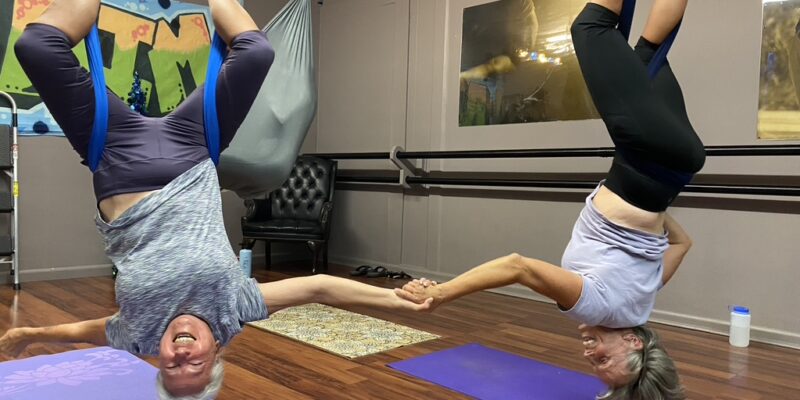
Why Aerial Yoga Appeals to Seniors
As people age, maintaining strength, balance, and mobility becomes increasingly important for leading an independent and active lifestyle. Traditional exercise routines can sometimes place too much strain on ageing joints, making it difficult for older adults to stay consistent. One effective solution is aerial yoga, which uses a supportive hammock to help participants move with ease.
This form of yoga provides seniors with a low-impact option that reduces pressure on the knees, hips, and spine. By allowing the body to be partially or fully supported, aerial yoga opens the door for older adults to enjoy exercise without fear of falling or injuring themselves.
The Importance of Mobility and Balance in Ageing
Mobility is not just about walking or stretching, it is about being able to perform everyday activities comfortably. For seniors, loss of flexibility and balance often leads to reduced independence. Aerial yoga addresses these issues by strengthening muscles, enhancing coordination, and promoting joint health.
Key benefits include:
-
Improved Balance: The hammock provides gentle support, helping seniors practise balancing postures safely.
-
Greater Joint Flexibility: Movements reduce stiffness in areas like the hips and shoulders.
-
Enhanced Circulation: Poses that elevate the legs support better blood flow and reduce swelling.
-
Strengthened Core Muscles: A strong core supports the spine and prevents falls.
These benefits together ensure seniors can continue enjoying hobbies, social activities, and daily routines with greater ease.
How Aerial Yoga Builds Low-Impact Strength
Strength is critical in preventing age-related muscle loss. Unlike heavy weight training, aerial yoga strengthens muscles in a safe and controlled way. When suspended in the hammock, seniors use their own body weight as resistance. This engages stabilising muscles without adding stress to the joints.
Examples of strength-focused movements include:
-
Supported Squats: Using the hammock for balance, participants build leg strength without strain.
-
Core Engaging Poses: Lifting and holding positions in suspension naturally activates abdominal muscles.
-
Arm Support Exercises: Holding the hammock strengthens grip and arm muscles, important for everyday activities like carrying groceries.
Over time, these exercises help seniors maintain functional strength needed for independent living.
Enhancing Flexibility and Range of Motion
Flexibility often declines with age, leading to stiffness and discomfort. Aerial yoga helps restore range of motion by gently stretching muscles and joints. The hammock provides extra support, allowing seniors to go deeper into stretches without fear of overextending.
Notable flexibility benefits:
-
Reduced stiffness in the lower back and hips
-
Improved shoulder mobility for reaching and lifting
-
Easier movement in daily activities like bending or climbing stairs
By regularly practising these stretches, seniors often feel more comfortable in their bodies and less restricted by stiffness.
The Mental Health Boost for Seniors
Mental well-being is just as important as physical health. Seniors may experience feelings of loneliness, stress, or anxiety, especially when mobility is limited. Aerial yoga helps by combining physical activity with mindfulness and relaxation.
Breathing techniques taught during practice calm the nervous system, reduce stress, and encourage emotional stability. The feeling of being suspended in a hammock can also bring joy and playfulness, which many seniors find uplifting. This sense of fun adds motivation to keep attending classes regularly.
Safety Considerations for Senior Practitioners
Safety is a primary concern for older adults, and aerial yoga is designed with this in mind. The hammock supports body weight, reduces the risk of falls, and allows movements that would otherwise be challenging on the ground. However, certain precautions should be observed:
-
Always start with beginner classes under the guidance of a qualified instructor.
-
Avoid full inversions if there are concerns such as high blood pressure or glaucoma.
-
Wear comfortable, fitted clothing to prevent slipping in the hammock.
-
Listen to the body and rest whenever necessary.
By following these guidelines, seniors can practise with confidence and peace of mind.
The Role of Breathing in Healthy Ageing
Breath control plays a vital role in maintaining lung health and overall vitality. Seniors often experience reduced lung capacity, which affects energy levels. In aerial yoga, controlled breathing exercises improve oxygen flow, support relaxation, and enhance endurance.
For example:
-
Deep Belly Breathing improves lung capacity and reduces anxiety.
-
Rhythmic Breathing supports focus and concentration during poses.
-
Exhalation Techniques help release physical and emotional tension.
These breathing practices add to the overall benefits of aerial yoga, making it a complete wellness approach.
Social Connection and Community for Seniors
Beyond physical and mental benefits, aerial yoga also provides a sense of community. Group classes allow seniors to meet others, share experiences, and build friendships. Social interaction reduces isolation and supports mental health, which is crucial for older adults.
This sense of belonging often motivates seniors to stay consistent, leading to better long-term health outcomes.
How Yoga Edition Supports Senior Wellness
At Yoga Edition, aerial yoga sessions are structured to suit different age groups, including seniors. Professional instructors ensure that movements are tailored to each participant’s ability, making the classes inclusive and welcoming. Seniors often find that the supportive environment encourages them to try poses they never thought possible, leading to both physical and emotional breakthroughs.
Frequently Asked Questions
Q1. Is aerial yoga safe for seniors with mild arthritis?
Yes, the hammock provides support that reduces pressure on joints, making it suitable for those with mild arthritis. It is recommended to practise under guidance and avoid movements that trigger pain.
Q2. Can aerial yoga replace physiotherapy for seniors?
While it offers many therapeutic benefits, it should not replace medical or physiotherapy treatment. Instead, it can complement professional care by improving strength and mobility.
Q3. How often should seniors attend aerial yoga classes?
Two sessions a week are often enough to see results in flexibility and strength. Regular practice is more important than frequency.
Q4. Do seniors need prior yoga experience before starting aerial yoga?
No, prior experience is not necessary. The hammock provides assistance, making it easier for beginners to learn and enjoy.
Q5. Can aerial yoga improve balance to prevent falls?
Yes, practising balance poses with hammock support strengthens stability muscles, which play a key role in fall prevention.
Q6. Are there weight restrictions for seniors in aerial yoga?
Most hammocks are designed to support substantial weight safely, but it is always advisable to check with the studio for specific limits.









Comments