

 By
By 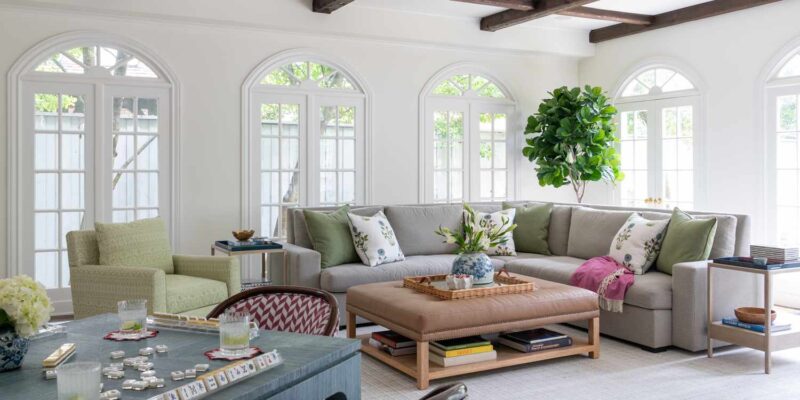
When you step into a professionally designed room that feels instantly welcoming, your eyes are not the only things reacting to the space. Your brain is translating the visual details into physical sensations. A room that feels cold and uninviting often has nothing to do with the temperature or the layout; rather, it suffers from a lack of tactile diversity.
Interior designers understand that color and lighting are only two legs of a three-legged stool. The third leg is texture. Texture is the surface quality of materials in a room, and it dictates how light bounces, how sound travels, and how comfortable a person feels when settling into an environment. By intentionally layering different materials, you can transform a flat, lifeless room into a rich, cozy sanctuary.
Here are the seven texture secrets professional interior designers rely on to infuse warmth and comfort into residential spaces.
1. The Rule of Contrasting Duos
A common mistake in home decorating is selecting a single texture and repeating it across every major piece of furniture. For example, matching a smooth leather sofa with a sleek leather armchair and a polished glass coffee table can make a living room feel more like a commercial showroom than a home. Designers prevent this by pairing materials with opposing physical traits.
To create tension that resolves into comfort, always introduce an opposite texture next to a dominant surface:
-
If you have a smooth leather sofa, drape a heavily textured wool throw blanket over the arm or pair it with nubby boucle accent pillows.
-
If your room features sleek polished concrete floors, anchor the seating arrangement with a thick, high-pile shag or jute rug.
-
If your walls are covered in matte drywall paint, bring in a glossy ceramic vase or a polished brass floor lamp to bounce light around the room.
These deliberate pairings force the eye to move through the room, processing different weights and finishes, which immediately makes the environment feel multi-dimensional and warm.
2. Layering Textures Chronologically
When designers build a room, they do not just toss textured items into the space at random. They layer them from the ground up, moving from the hard surfaces to the softest elements. This chronological approach ensures that the warmth feels embedded into the architecture rather than appearing as an afterthought.
The process begins with the base layer, which includes the flooring and structural walls. Hardwood with a visible grain, exposed brick, or natural stone serves as the foundation. The second layer introduces large furniture pieces, where fabric choices like linen, velvet, or woven tweed cover the sofas and armchairs. The final layer consists of accents: rugs, throw blankets, pillows, and window treatments.
By accumulating textures sequentially, you establish a physical gradient of comfort. The hard structural elements provide stability, while the soft surface layers offer psychological and physical comfort.
3. Mixing Matte and Reflective Finishes
Cozy does not have to mean dark or cluttered. A room can be minimal and bright while still feeling incredibly snug, provided you balance matte and reflective surfaces. Too many shiny surfaces create a glare that feels sterile and hyper-modern, while too many flat, matte surfaces can cause a room to look muddy or dull.
Designers create coziness by using matte surfaces to absorb light and create depth, while strategically placing reflective finishes to add a subtle glow. For instance, pairing matte-painted walls with unlacquered brass hardware, or combining a rustic wood dining table with hand-blown glass light fixtures, creates a balanced interplay. The soft absorption of light by the matte surfaces provides a grounding, soothing effect, while the hints of reflection keep the space feeling alive and sophisticated.
4. Embracing Imperfect and Organic Materials
Perfect, symmetrical, and mass-produced items often strip a room of its personality. To cultivate an authentic atmosphere of coziness, designers introduce materials that display natural imperfections. These items signal to the brain that the space is lived-in, durable, and forgiving.
Look for materials that tell a visual story through their irregularities:
-
Live-edge wood: Tables or shelves that preserve the natural silhouette of the tree offer organic lines that contrast beautifully with the sharp corners of a standard room.
-
Tumbled stone: Fireplace surrounds or tabletops made from honed, tumbled limestone or travertine have a soft, chalky texture that feels warm to the touch.
-
Hand-woven textiles: Rattan baskets, jute bins, and hand-knotted rugs feature slight variations in weave and color that machine-made alternatives cannot replicate.
These subtle imperfections invite people to touch and interact with the environment, instantly lowering the formality of the room.
5. Maximizing Visual Weight with Large Weaves
Not all textures require physical contact to make an impact. Some materials possess visual texture, which means your brain can register how they feel simply by looking at them from across the room. One of the fastest ways to increase the visual warmth of a space is to scale up the weave of your textiles.
Instead of choosing fine, tightly woven cotton or silk for blankets and pillows, opt for chunky knits, heavy slub linens, and thick chenille. A large-scale chunky knit blanket tossed over the edge of a bed or sofa breaks up the expansive, flat plane of the upholstery. It introduces shadows and pockets of depth into the room, making the furniture look physically softer and more inviting to lounge on.
6. Elevating Architectural Walls with Trim and Paper
Drywall is inherently flat and sterile, which makes it a major culprit in rooms that feel cold. When designers want to make a large or high-ceilinged room feel intimate, they bring texture directly to the walls.
This can be achieved through millwork, such as board and batten, shiplap, or traditional beadboard. The physical ridges and shadows created by wood trim completely change how light interacts with the perimeter of the room.
If woodwork does not fit your style, textured wallpapers are an excellent alternative. Grasscloth wallpaper, made from woven natural fibers, adds an undeniable layer of sophistication and organic texture to an office, dining room, or bedroom. Even a subtle linen-texture wallpaper can completely banish the echo and coldness associated with bare drywall.
7. Softening Windows and Open Portals
Windows and open doorways are functional necessities, but they represent large expanses of hard glass and sharp wood casing. Designers never leave these areas completely bare if their goal is to maximize coziness. Window treatments are treated as essential softening agents.
Hanging floor-to-ceiling drapes made from heavy linen or velvet adds structural softness to the corners of a room. Even when pulled completely open, the pleated folds of fabric frame the window views and absorb ambient sound, which dampens echoes and makes the room feel quieter and more secure. For open entryways between rooms, adding a portiere (a hanging curtain across a doorway) can introduce an unexpected touch of luxury and warmth that blocks cold drafts and softens the transition between spaces.
Frequently Asked Questions
Can a room have too much texture?
Yes, a room can suffer from texture overload if there are no smooth surfaces to give the eyes a place to rest. If every item in a space is heavily textured, such as combining a boucle sofa with a shag rug, grasscloth walls, and a rustic wood coffee table, the room will feel chaotic, busy, and visually exhausting rather than cozy.
How do I add texture to a room without changing my furniture?
You can easily introduce texture through small decor items and soft goods. Swap out smooth cotton pillowcases for velvet or woven wool covers, add a textured ceramic tray to your coffee table, replace plastic storage bins with woven rattan baskets, or layer a small sheepskin rug over your existing floor covering.
What textures work best for making a small room feel cozy?
In a small room, focus on medium-scale textures that do not overwhelm the limited footprint. Woven linens, soft velvets, and lightly grained woods work beautifully. Avoid excessively high-pile shag rugs or giant chunky knit blankets, which can physically crowd the space and make it feel cluttered rather than cozy.
How do you clean and maintain highly textured fabrics like boucle or shag?
Highly textured fabrics require regular vacuuming with a upholstery attachment to remove dust and debris that settles into the fibers. For spills, blot immediately with a clean, dry cloth without rubbing, which can distort the weave. Many designers recommend treating textured furniture with a fabric protector to prevent stains from binding to the complex fibers.
Is texture still important in a modern or minimalist design style?
Texture is actually more critical in modern and minimalist design because these styles use limited color palettes and minimal decor. Without diverse textures, a minimalist room can easily look cold, clinical, and empty. Incorporating matte black metals, honed stone, and raw linens keeps a modern space clean yet warm.
How does texture impact the acoustic quality of a room?
Hard, flat surfaces like glass, metal, and drywall reflect sound waves, creating echoes that make a room feel loud and public. Soft, porous textures like wool rugs, velvet drapes, and upholstered furniture absorb sound waves. This acoustical dampening is a huge part of why textured rooms feel inherently quieter, more intimate, and cozier.
Can I mix different wood tones and grains in the same room?
Absolutely. Mixing wood grains and finishes adds a layer of curated, historical texture to a home. The trick is to ensure the undertones match, whether they are warm, cool, or neutral. Pairing a smooth, fine-grained satinwood cabinet with a rustic, open-grain oak dining table creates an organic, designer-led aesthetic.








Comments